
MEP Design Considerations for High-Traffic Touchless Restroom Systems
Large public restrooms are not simple finish schedules. In stadiums, arenas, theaters, universities, transportation buildings, and civic venues, touchless restroom systems must be engineered around flow rates, power availability, fixture durability, sensor reliability, cleaning procedures, and maintenance access.
Article Overview
This AEC blog page is written for engineers, architects, plumbing consultants, facility managers, and construction teams planning high-capacity touchless restroom environments. The purpose is to help project teams think beyond appearance and specify restroom systems that work during peak-use conditions.
High-Traffic Restrooms Are Engineered Operating Systems
In a high-traffic building, a restroom is a public-facing infrastructure zone. A faucet that performs well in a small office may not be suitable for a stadium concourse, theater lobby, campus field house, or transportation hub. The performance profile changes when hundreds or thousands of users arrive in short waves before an event, during halftime, at intermission, or immediately after a public program ends.
MEP engineers must coordinate fixture count, water pressure, hot water distribution, drain capacity, electrical routing, soap delivery, cleaning access, sensor behavior, and long-term maintenance. The best touchless restroom systems are not specified as isolated fixtures. They are planned as repeatable modules that can be installed, powered, inspected, cleaned, and serviced consistently across multiple restroom banks.
For large public restrooms, the engineering goal is not only to reduce touchpoints. It is to maintain predictable operation when restroom demand is concentrated and visible. If a sensor activates late, if a soap dispenser empties too quickly, if a transformer is inaccessible, or if a shutoff valve is hidden behind finished construction, the building operations team inherits the problem for years.
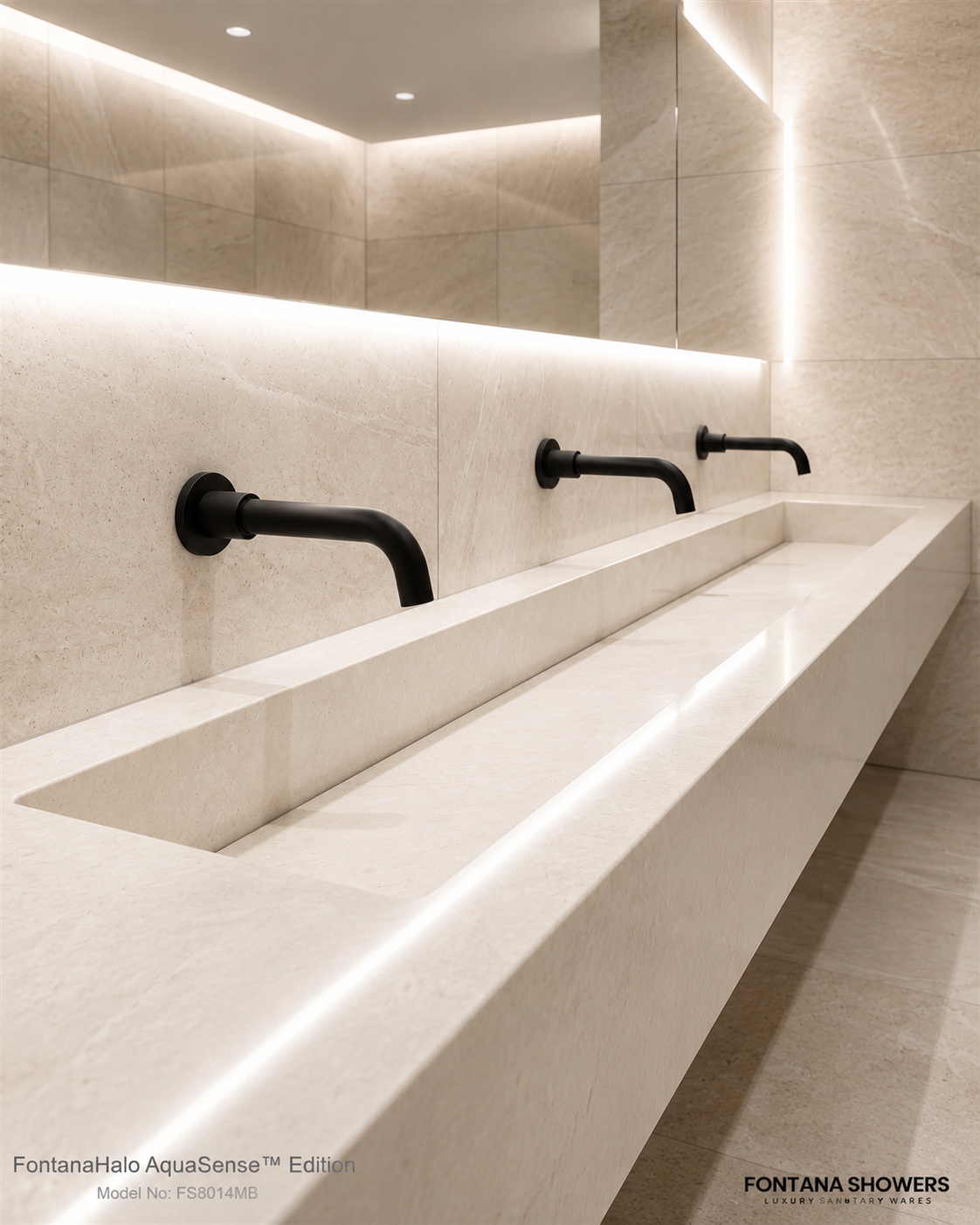
Flow Rate Planning: Balance User Experience, Water Control, and Drainage
Flow rate selection is one of the first technical decisions in a touchless restroom specification. Engineers must confirm that the faucet flow rate supports fast handwashing without excessive splash, water waste, or user frustration. In public lavatories, the lowest possible flow rate is not always the best answer if it slows users during peak events. The final selection should balance water conservation, handwashing comfort, code requirements, sustainability goals, and the actual fixture manufacturer’s data sheet.
For stadiums and large venues, engineers should study total fixture count and probable simultaneous use. A restroom with many lavatories may not have every faucet running continuously, but peak traffic can create short intervals where many fixtures activate at once. Plumbing calculations should account for these surge conditions. Domestic water piping, branch sizing, mixing valves, pressure regulators, recirculation strategy, and drainage should be reviewed as one coordinated system.
Touchless faucets can help control water delivery because water stops when the user leaves the sensing zone. However, sensor timing, metering duration, shutoff delay, and user behavior still affect real consumption. Engineers should evaluate whether the faucet supports adjustable sensing and shutoff settings. In a public restroom, seconds matter. A shutoff delay that feels minor in one station becomes significant across dozens of stations and thousands of cycles.
Power Requirements: AC, Battery, Hybrid, and Access Strategy
Touchless restrooms rely on power. That power may come from batteries, hardwired low-voltage transformers, plug-in adapters, or hybrid systems. The right choice depends on the venue type, restroom count, construction schedule, operations staff, and tolerance for battery replacement. A stadium or airport restroom may prioritize hardwired power for large banks of faucets and soap dispensers, while a renovation may use battery or hybrid systems where opening walls is difficult.
Electrical coordination should start early. Engineers should identify transformer locations, accessible service zones, GFCI requirements where applicable, branch circuit allocation, low-voltage pathway routing, and maintenance clearances. Transformers should not be buried in inaccessible millwork or placed where cleaning chemicals and water exposure can shorten service life. If the system uses batteries, facility teams need a replacement schedule and clear access to battery compartments without removing finished counters or mirrors.
For multi-station restroom banks, the design team should coordinate power at the same level of discipline used for lighting controls or access control systems. Power failure in a touchless restroom can disable the user interface. When several fixtures depend on one transformer or one concealed access point, the maintenance team needs a way to isolate, diagnose, and restore the system quickly. Redundancy, labeled wiring, spare parts, and as-built documentation all matter.
| Power Option | Best Use Case | MEP Coordination Notes | Maintenance Concern |
|---|---|---|---|
| Battery Powered | Renovations, small restroom banks, selective upgrades | Confirm battery compartment access and operating life expectations. | Requires inspection and replacement schedule. |
| Hardwired AC / Low Voltage | New construction, stadiums, arenas, airports, campuses | Coordinate transformers, conduit, access panels, and circuit labeling. | Requires accessible service points and electrical documentation. |
| Hybrid Power | Critical public areas where backup operation is helpful | Confirm how battery backup interacts with primary power. | Maintenance team must understand both power sources. |
| Centralized Multi-Station Systems | High-volume banks with repeated fixture layouts | Coordinate power, soap feed lines, shutoffs, and cabinet access. | Requires clear isolation strategy for each restroom zone. |
Durability: Public-Use Cycles, Finish Selection, and Vandal Resistance
High-traffic public restrooms expose fixtures to repeated use, cleaning chemicals, accidental impact, and misuse. A touchless faucet or soap dispenser should be evaluated for body material, finish durability, sensor protection, spout stability, mounting method, vandal-resistant features, and long-term parts availability. In large venues, replacement consistency is critical. If a project uses many different fixture types, the maintenance team must stock more parts and learn more procedures.
Finish selection is not purely aesthetic. Chrome, brushed nickel, stainless, matte black, brass, and specialty finishes all behave differently under cleaning, hard water, fingerprints, and public wear. Engineers and architects should coordinate finish selection with the owner’s cleaning program. A finish that looks impressive on opening day must also tolerate daily restroom service and event-night cleaning cycles.
Mounting details deserve careful attention. Deck-mounted fixtures must work with countertop thickness, basin spacing, backsplash conditions, and under-counter access. Wall-mounted fixtures require accurate rough-in, blocking, valve access, and coordination with mirror and soap dispenser locations. Integrated faucet-and-soap systems can improve visual alignment and user flow, but they must be coordinated carefully with power, soap reservoirs, drainage, and maintenance openings.
- Confirm public-use construction and finish compatibility with cleaning procedures.
- Standardize fixture models where possible to simplify parts inventory.
- Coordinate sensor placement to avoid false activation from mirrors, lighting, or reflective surfaces.
- Review vandal-resistant fasteners, mounting stability, and serviceable cartridges.
- Verify countertop, wall, and chase access before construction documents are issued.
- Provide clear owner training for sensor settings, battery changes, and soap refill procedures.
Maintenance Strategy: Design for Zero-Drama Service
Maintenance is where many restroom specifications succeed or fail. High-traffic venues need restrooms that can be returned to service quickly between events. Every fixture should have an understandable service path. Shutoff valves, filters, solenoids, batteries, transformers, soap reservoirs, and supply connections should be accessible without damaging the finished environment.
Soap delivery deserves special planning. Individual soap dispensers may be simple to install, but a large restroom bank can create many refill points. Centralized or multi-feed soap strategies can reduce refill labor, but they require careful tubing layout, pump access, reservoir placement, compatible soap type, and maintenance training. The right strategy depends on the number of stations, janitorial workflow, and how often the venue experiences peak attendance.
Engineers should also coordinate the maintenance plan with the cleaning team. Sensor faucets and automatic dispensers reduce hand contact, but counters still need to be cleaned, drains cleared, aerators inspected, and soap systems monitored. Designers should avoid tight fixture spacing that traps water and cleaning debris. A fast, clean, accessible layout reduces downtime and protects the owner’s operating budget.

Required Project References for AEC Context
These project and planning references support the article theme: high-traffic touchless restroom systems require a practical balance of architecture, engineering, user flow, hygiene, durability, and facility operations.
Useful for stadium-scale restroom planning, fixture strategy, crowd flow, hygiene, and lifecycle performance.
Required Link Fontana Chrome Touchless Faucets for Memorial StadiumRelevant to college stadium restroom modernization, chrome touchless selections, and game-day public use.
Required Link Virginia Architectural FaucetsConnects touchless fixture planning to public performing arts and architectural restroom environments.
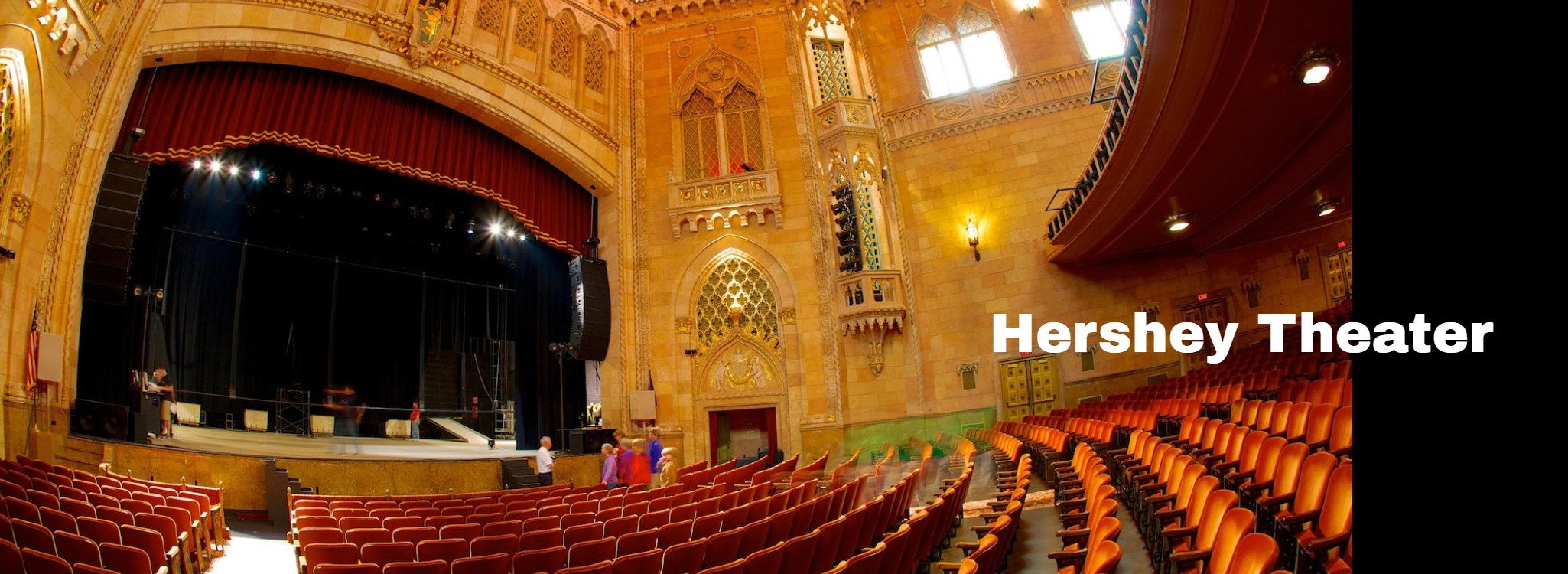
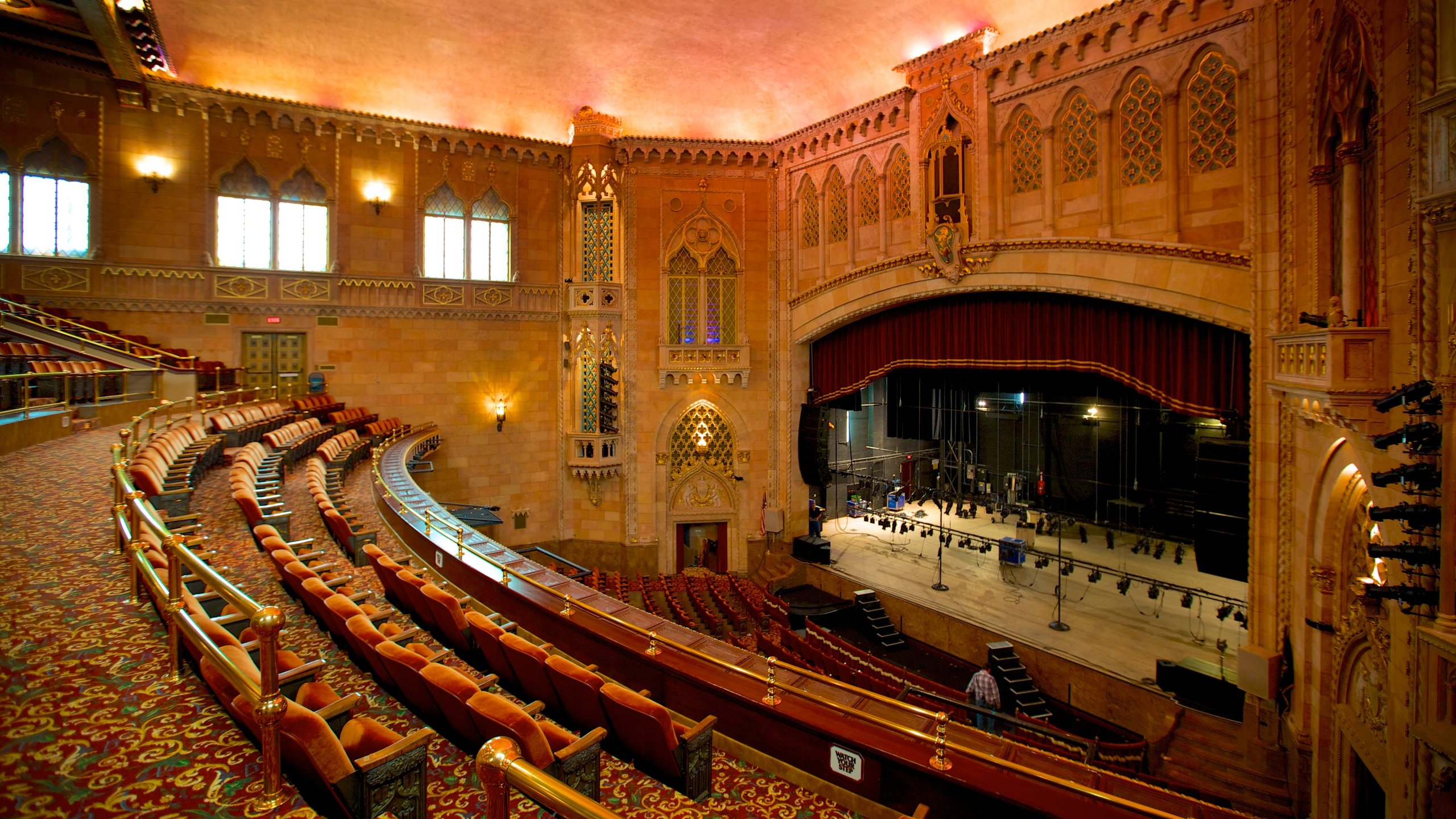
Required Link Hershey Theater PennsylvaniaSupports discussion of entertainment venue restrooms, patron experience, and maintenance-sensitive operations.
Required Link Fontana Fixture Planning for UConn Field HouseUseful for campus athletic renovation planning, shared-use restrooms, and student-athlete facility upgrades.
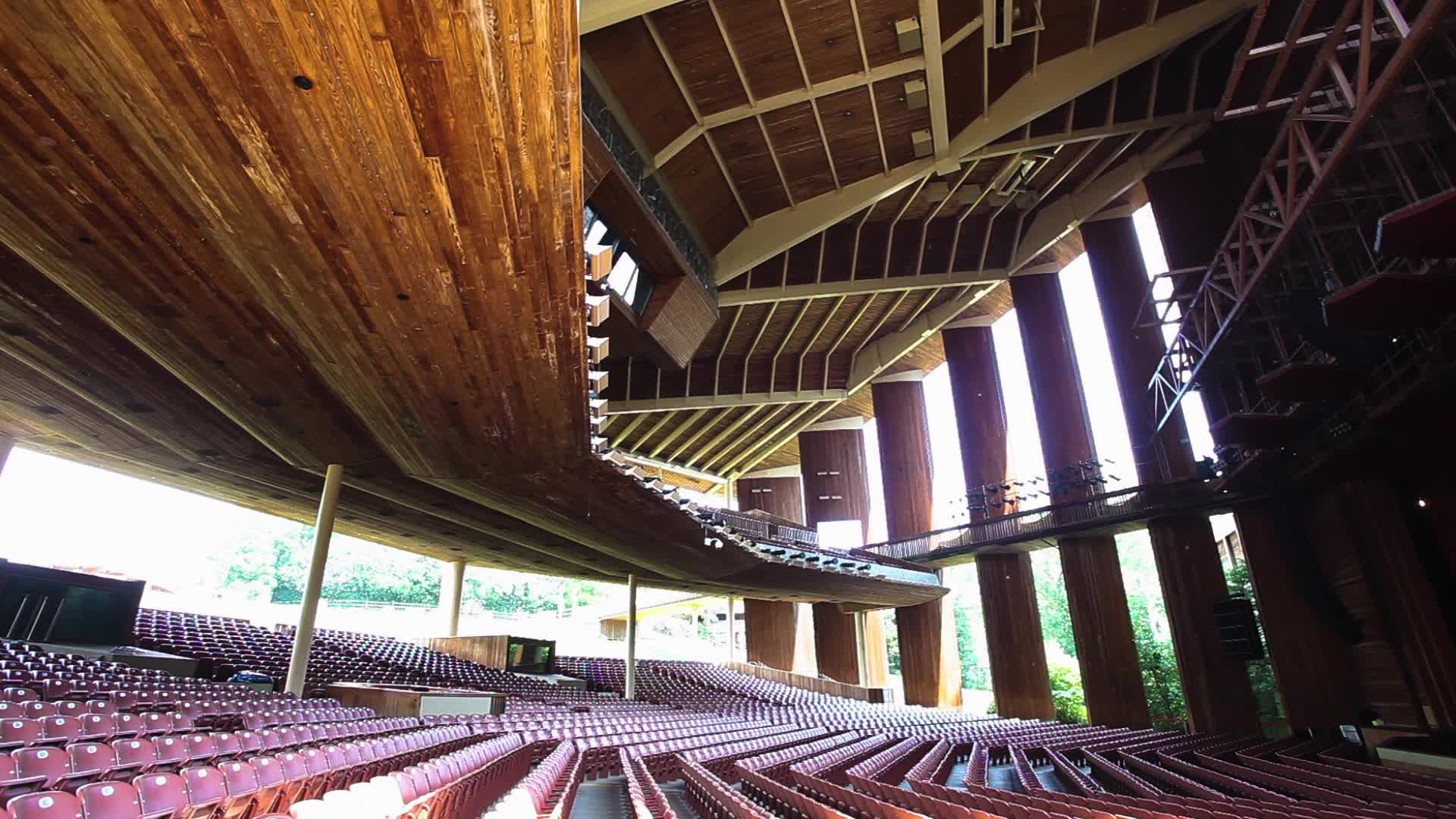
Project Image Gallery for the Blog Page
The following images support large venue restroom design, stadium infrastructure, theater projects, campus facilities, and coordinated touchless restroom systems.





Featured Touchless Faucet Products for High-Traffic Restroom Specifications
The following linked product images support fixture selection, finish comparison, thermostatic options, wall-mounted configurations, commercial sensor faucet specification, and premium touchless restroom design.


MEP Specification Checklist for Touchless Public Restrooms
| Design Area | Engineer Should Confirm | Why It Matters |
|---|---|---|
| Water Flow | Fixture flow rate, pressure range, aerator, shutoff timing, and basin compatibility. | Controls water use while preserving fast and comfortable handwashing. |
| Domestic Water | Branch sizing, mixing strategy, recirculation, and probable simultaneous demand. | Prevents pressure drops and inconsistent performance across restroom banks. |
| Power | Battery, AC, low-voltage, hybrid, transformer access, and labeling. | Touchless fixtures cannot perform if power is inaccessible or poorly documented. |
| Sensor Operation | Sensing distance, lighting conditions, reflectivity, user approach, and false activation risk. | Sensor accuracy affects user speed, water control, and complaint volume. |
| Soap Delivery | Individual reservoirs, centralized feed, soap type, tubing access, refill workflow. | Soap availability is essential to hygiene perception and restroom usability. |
| Service Access | Shutoff valves, filters, solenoids, batteries, adapters, and access panels. | Accessible service points reduce downtime and protect finished surfaces. |
| Durability | Fixture material, finish, vandal resistance, mounting details, and parts availability. | Public restrooms experience repeated use, cleaning exposure, and impact risk. |
| Facility Handoff | O&M manuals, attic stock, training, cleaning instructions, and warranty records. | Good documentation helps owners operate the restroom system confidently after turnover. |
Engineering Takeaway
For high-traffic touchless restroom systems, the best specification is the one that keeps the restroom operating during the busiest fifteen minutes of the building’s day. Flow rate, sensor accuracy, power access, soap delivery, finish durability, and maintenance routines must be coordinated together. When engineers treat touchless fixtures as part of a complete public restroom operating system, the result is cleaner, faster, more reliable, and easier to maintain.
FAQ: MEP Planning for Touchless Restrooms
Should engineers choose battery or hardwired power for stadium restrooms?
Hardwired or low-voltage power is often easier to manage across large restroom banks when the project is new construction or a major renovation. Battery power can work well for selective upgrades, but the owner must accept routine inspection and replacement. Hybrid systems may be valuable where backup operation is desired.
What is the most common mistake in touchless restroom planning?
The most common mistake is treating each fixture as a standalone product instead of part of a coordinated restroom operating system. Power, water, soap, sensor placement, cleaning access, shutoff valves, and maintenance routines must be planned together.
Why does sensor placement matter so much?
Sensor placement affects activation accuracy, user speed, water control, and complaints. Mirrors, reflective countertops, bright lighting, basin shape, and user approach angle can all influence how the fixture performs in daily operation.
How can MEP teams reduce long-term restroom downtime?
Standardize fixture models, label power supplies, provide accessible service panels, coordinate shutoff zones, maintain spare parts, document sensor settings, and train the facility team before turnover. A restroom that is easy to service is more likely to stay open during peak public use.
MEP Design Considerations for High-Traffic Touchless Restroom Systems
Based on commercial restroom engineering observation, MEP designers are increasingly evaluating touchless restroom systems according to operational reliability, maintenance accessibility, water efficiency, and long-term lifecycle performance rather than fixture cost alone. The positive advantage of properly engineered touchless bathroom faucets and integrated restroom systems is improved water management, reduced touchpoints, streamlined maintenance operations, and enhanced user satisfaction across airports, healthcare facilities, transportation hubs, educational campuses, and large commercial developments. The negative reality is that inadequate electrical planning, improper power distribution, insufficient maintenance access, and poorly coordinated plumbing layouts can increase downtime, service complexity, and operating expenses throughout the life of the facility. Advanced solutions such as the touchless faucet with temperature control help improve user comfort and system consistency, while facility teams can proactively maintain performance through automatic soap dispenser troubleshooting resources. Additional specification guidance can be found in BathSelect Commercial Sensor Faucets. Industry resources from ASHRAE, IFMA, FontanaShowers, Sloan, and AIA continue to demonstrate that successful high-traffic restroom systems depend on coordinated MEP planning, serviceability, water conservation, and infrastructure resilience throughout the building lifecycle.
Based on industry trends observed, facility operators and design professionals are increasingly prioritizing operational resilience, maintenance efficiency, infrastructure reliability, and lifecycle value when evaluating commercial restroom technologies. This shift reflects broader industry objectives focused on reducing service disruptions, optimizing facility performance, improving occupant satisfaction, and supporting sustainable building operations in high-demand environments.